Cart
0
Spend £75 for Free Shipping
You may also like


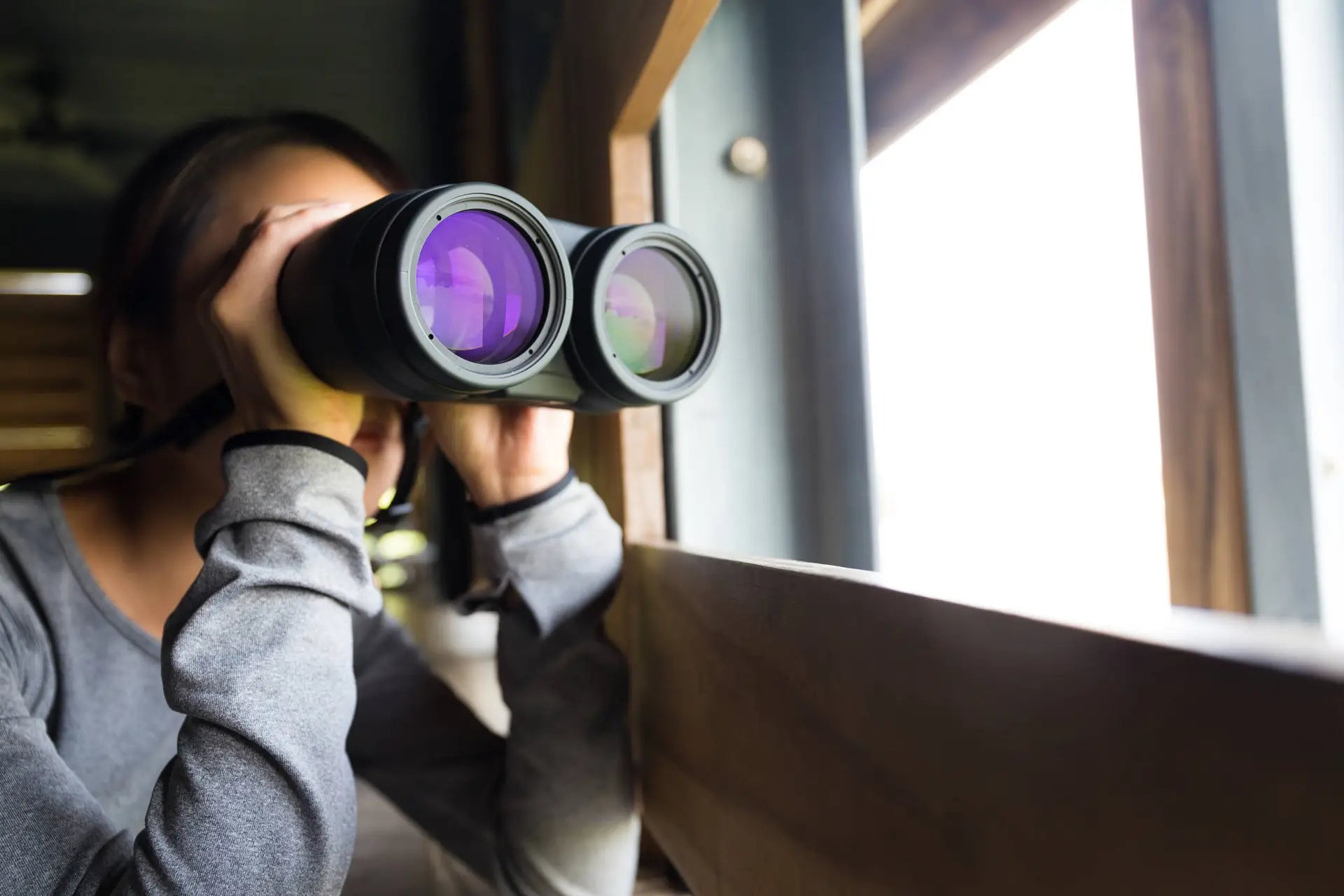
When a video of the CEO of Astronomer surfaced online, filmed during a Coldplay concert, it took just hours for his face to be everywhere. What started as a fan’s casual post turned into a digital wildfire: screen captures, viral memes, speculative headlines, and full-blown judgment, all based on a few seconds of unsolicited footage. The damage was done before the CEO had even left the concert venue.
Social media was quick to sensationalize, but almost no one asked the more important question:
Where do we draw the line between public presence and personal boundaries?
There’s a persistent assumption in today’s digital culture: that once you step into a public space, you automatically become “content.” That simply being visible in a crowd waives your right to privacy. But the reality is far more nuanced and far more dangerous.
Laws around public recording vary widely across jurisdictions, but legality doesn’t equal consent. Just because it’s legal to record someone in a crowd doesn’t make it ethical, especially when those recordings have reputational consequences.
This is where visual consent systems like DO NOT RECORD ME come into play. Imagine if the CEO had been wearing a privacy signal, a hat or badge integrated with a system designed to be recognized by platforms and devices. That visual marker would’ve communicated, clearly and non-verbally: “I do not consent to being filmed.”
And here’s the key: software connected to livestreams, editing suites, or content moderation tools could have picked that up. His face could have been automatically blurred. That moment may still have existed, but it wouldn’t have gone viral without his permission.
The Astronomer CEO isn’t the first and won’t be the last, to find themselves unwillingly thrust into the internet spotlight. But this moment underscores what’s broken:
• There’s no default way to visually signal consent or refusal.
• Platforms reward content regardless of whether it was captured ethically.
• We’ve normalized invasiveness under the banner of transparency.
And it’s not just CEOs. It’s concertgoers, children in parks, bystanders at protests, or individuals trying to enjoy a day off the grid. Without tools to control visibility, privacy becomes a privilege, not a right.
DO NOT RECORD ME is built on one idea: you are not content unless you choose to be. The Astronomer incident proves the urgent need for systems that enforce visual consent, in real-time and in post-production.
Until that becomes a standard, the question isn’t whether it’ll happen again, it’s who’s next?

